Get in your inbox the latest News and Offers from

Promoting Road Safety A Shared Responsibility
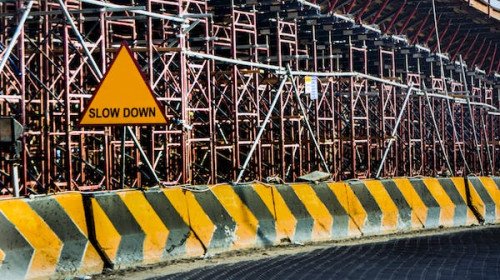
Promoting Road Safety A Shared Responsibility
As an organization deeply committed to societal well-being, the Ogan Foundation recognizes the paramount importance of road safety. Roads are vital arteries of modern civilization, facilitating commerce, travel, and connectivity.
Understanding the Scope of the Issue
Globally, road traffic injuries represent a leading cause of death and disability, particularly among young adults. According to the World Health Organization (WHO), approximately 1.35 million people lose their lives annually in road traffic accidents, with an additional 20 to 50 million sustaining non-fatal injuries. These incidents not only exact a human toll but also impose significant economic costs, straining healthcare systems and impeding socioeconomic development.
Identifying Key Risk Factors
While road accidents can result from various factors, certain commonalities emerge across different contexts. Speeding, driving under the influence of alcohol or drugs, distracted driving (e.g., texting while driving), and failure to use seat belts or helmets are among the primary contributors to road traffic fatalities. Additionally, inadequate infrastructure, poor road design, and lax enforcement of traffic laws exacerbate the risks associated with vehicular travel.
Embracing a Multi-Stakeholder Approach
Addressing the complex challenge of road safety requires a concerted effort involving multiple stakeholders, including governments, law enforcement agencies, civil society organizations, the private sector, and individual citizens. Collaboration among these entities is essential to implementing evidence-based interventions and fostering a culture of responsible road use.
Advocating for Policy Reform
At the governmental level, policymakers play a crucial role in enacting legislation and regulations aimed at enhancing road safety. Measures such as setting and enforcing speed limits, implementing strict penalties for drunk driving, improving road infrastructure, and promoting public awareness campaigns can significantly mitigate the risk of accidents and save lives. Furthermore, investing in public transportation alternatives and prioritizing pedestrian and cyclist safety can contribute to creating safer urban environments.
Empowering Communities through Education
Education is a cornerstone of any effective road safety strategy. By imparting knowledge about safe driving practices, the importance of wearing seat belts and helmets, and the dangers of reckless behavior, educational initiatives can empower individuals to make informed decisions on the road. Moreover, targeted programs aimed at vulnerable populations, such as young drivers and schoolchildren, can instill lifelong habits of responsible road use.
Harnessing Technological Innovations
Advancements in technology offer unprecedented opportunities to enhance road safety. From the proliferation of vehicle safety features, such as automatic emergency braking and lane departure warnings, to the development of smart infrastructure and traffic management systems, technology has the potential to revolutionize the way we approach road safety. Embracing innovation and investing in research and development can yield transformative solutions to mitigate the risk of accidents and improve transportation efficiency.
Cultivating a Culture of Responsibility
Ultimately, promoting road safety requires a fundamental shift in attitudes and behaviors. Individuals must recognize their role in ensuring their safety and that of others on the road. This entails adhering to traffic laws, respecting speed limits, refraining from driving while impaired, and avoiding distractions behind the wheel. By fostering a culture of mutual respect and accountability, we can create safer road environments for all.
road safety is a multifaceted issue that demands collective action and unwavering commitment. As an organization dedicated to advancing the greater good, the Ogan Foundation stands ready to collaborate with stakeholders at all levels to promote evidence-based interventions, raise public awareness, and advocate for policy reform. By working together, we can build safer roads, save lives, and pave the way for a brighter, more sustainable future. Remember, road safety is not just a slogan ? it's a responsibility we all share.